
Autism and Sensory Overload: How to Create More Sensory-Friendly Environments
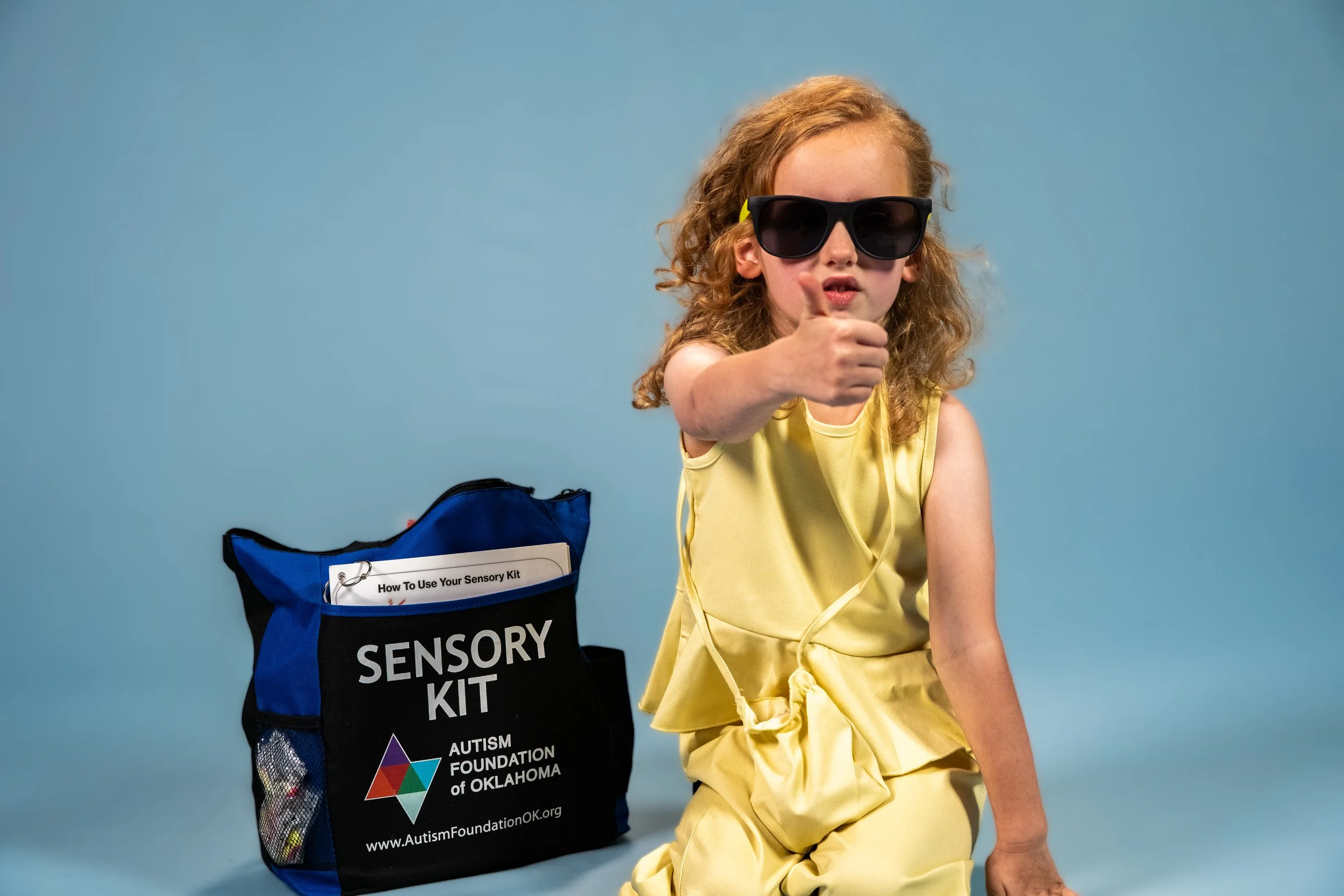
Most of us have experienced a moment when an environment simply felt like too much.
Maybe the room was too loud, the lights were too bright, several people were talking at once, or there was nowhere to step away and regroup. For some autistic people, those experiences can be much more intense and much harder to filter out. Sensory differences are common in autism, and they can affect how someone responds to sound, lighting, smells, textures, movement, touch, temperature, crowds, and many other parts of an environment.
At AFO, we talk about sensory needs often because they show up in so many of the settings where autistic people live, learn, work, receive healthcare, and participate in the community. Sensory overload can look different from person to person. Someone may cover their ears, become quieter, have difficulty communicating, pace, stim, cry, try to leave the environment, or become visibly distressed. Sometimes these responses are misunderstood as defiance, noncompliance, or "bad behavior," when the person may simply be overwhelmed.
That is why one of the most useful things we can do is look beyond the behavior and ask what may be happening in the environment. Is the room too loud? Is someone speaking too quickly? Are there too many instructions at once? Is the lighting uncomfortable? Is the person being touched unexpectedly? Do they need more time to process what is happening?
Very small changes can make a meaningful difference. Turning down background music, offering a quieter area, allowing noise-reducing headphones, dimming bright lights when possible, or simply giving someone extra processing time can make a space much easier to navigate. Providing information in advance can also help.
If an event will be crowded, loud, include flashing lights, require a security screening, or involve unfamiliar procedures, letting people know ahead of time gives them a chance to prepare. We also encourage organizations to think differently about stimming and movement. Some autistic people regulate by rocking, pacing, moving their hands, using a fidget, repeating sounds, or engaging in other repetitive movements. Unless a behavior creates a genuine safety concern, it does not need to be stopped simply because it looks different.
The same is true for sensory tools. Some people find headphones, weighted items, sunglasses, fidgets, or communication supports helpful. Others do not. The goal should always be to offer options, not force a particular tool. AFO's Sensory Kits were created with that idea in mind. Our kits include practical tools such as noise-reducing headphones, a weighted lap pad, communication cards, sunglasses, fidgets, and other items that can be helpful in schools, childcare centers, healthcare offices, emergency vehicles, law enforcement agencies, businesses, museums, community spaces, and events.
But the kit itself is only part of creating a sensory-friendly environment. The bigger piece is helping people understand why someone may need those tools in the first place. We have seen again and again that when staff understand autism and sensory differences, they are much better prepared to respond calmly, respectfully, and effectively.
Sensory-friendly practices also benefit far more people than just those who are autistic. People with ADHD, anxiety, PTSD, migraines, developmental disabilities, and other sensory differences may benefit from many of the same accommodations. In many cases, accessibility is simply about giving people more than one way to participate.
A quieter space does not take anything away from someone who prefers the main room. Allowing headphones does not prevent anyone else from participating. Written instructions can help people who process information differently. Clear expectations can reduce stress for everyone. Businesses and community organizations do not have to completely redesign their spaces to become more autism friendly.
Often, the biggest changes begin with staff understanding, flexibility, and a willingness to consider the environment from someone else's perspective. Through AFO's training, Sensory Kits, and Autism-Friendly Business Certification, we work with organizations across Oklahoma that want to create more welcoming and accessible spaces.
If your workplace, school, healthcare practice, agency, or community organization would like help becoming more sensory-friendly, we would love to work with you.
Links of Interest